About

Showing posts with label Foods as medicine. Show all posts

Tuesday, September 2, 2014

Natural Ways To Help With Stomach Problems

Dailymeal.com has a great list of things you can do to help with tummy issues, and they're all natural. From gas, to diarrhea, to heartburn, to the other myriad of digestive troubles people can get, including those of us with Ulcerative Colitis, there are natural, preferably food derived ways, to deal with them. So before you pick up that Tums or Prilosec, why not try one of these things.

1. ALOE VERA:

Aloe vera juice is a wonderful product to use with stomach issues, including Inflammatory Bowel Disease. Though you need to make sure it's pure, and try and stay away from ones that have preservatives.  I used to use George's Roadrunner during some past Ulcerative colitis flares, it was expensive, but it was distilled, pure and tasted like water.


2. The BRAT Diet:  

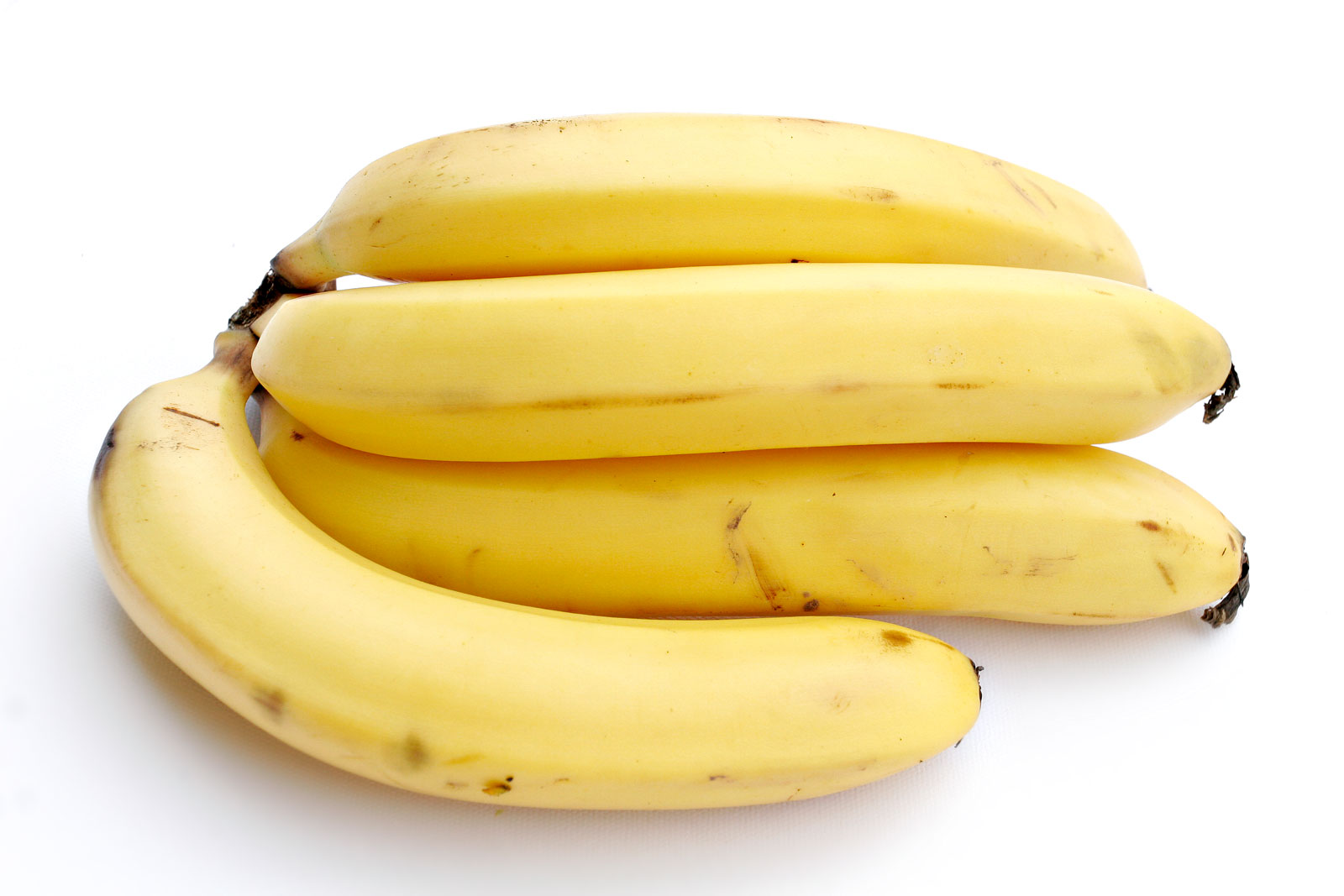
Short for Bananas, Rice, Applesauce and Toast- so it's easy to remember- this diet is great for those who are having problems with indigestion, stomach upset, and diarrhea.

3. CHAMOMILE:

A nice cup of  Chamomile tea can help with nausea, GERD/Acid reflux, sometimes gas, and definitely helps calm your nerves.

4. DANDELION GREENS:

This I had never heard of, but according to Daily Meal, Dandelion greens are great for heartburn and upset stomach. They have recipes for great side dishes. Who would have thought.

5. GINGER:

Ginger is an amazing herb. Not only is it wonderful to cook with, it's a powerful anti-inflammatory (for arthritic conditions), but is also wonderful to combat gas, indigestion and nausea. You can use it fresh to make a tea, just peel, chop and boil, or you can eat some candied ginger or buy some ginger tea. People on blood thinners, like Coumadin, should stay away from it.

6. MINT:

Any kind of mint will do. Peppermint, spearmint will both help with digestion, nausea and gas. It relaxes the muscles.  It is also said to help curb one's appetite. Steep fresh cut leaves or dried peppermint leaves in a cup of boiling water from 5 to 10 minutes, depending on how strong you want your tea.  Although some say it is good for Acid Reflux, and heartburn.

7. PAPAYA:

Papaya is a great fruit, not only is it yummy in smoothies in salads, it's wonderful for digestion, upset stomachs and gas. The papain in papaya, can also be taken as a supplement as a digestive enzyme.

8. PROBIOTICS:

Probiotics aka good bacteria are a must for stomach health, especially after a dose of antibiotics. The best are the refrigerated ones. You can try yogurt or kefir, but I doubt they are that helpful. Do your research, though, because every probiotic strain is different, and depending on your tummy issue some will be better than others.

9. PREBIOTICS

Prebiotics help the good bacteria grow. Try asparagus, garlic, onions and Jerusalem artichokes, though those foods will cause gas.

Besides these, I'd like to add another one of my own:

FENNEL SEED:

Fennel seed is great for digestion and bad breath. If you've ever been to an Indian restaurant, you might have noticed a bowl of fennel seed, sometimes candied. The candy part is probably not so great, considering they're usually brightly colored, which means they are chockfull of food dyes, but they make them tastier.  Grab a very small teaspoon of these little seeds and chew on them after a meal. IMPORTANT NOTE. Do not eat these by the handful, like candy. My sister ate almost a whole bag and became very dehydrated. Just a tiny spoonful is enough to help with digesting your meal.


In case you decide to buy George's Road Runner juice, I get a pittance from Amazon.


Wednesday, July 24, 2013

Video: Treating Common Ailments With Food With Dr. Nieca Goldberg

It's always better to get your vitamins and minerals from foods, if you can. It's also preferable to treat common ailments with food.   Dr. Nieca Goldberg shares some great tips in this short video, including how to deal with cracks in the side of your mouth, eat milk or spinach, and puffy ankles, eat bananas, apricots or oranges.  She explains why, and has some tips for some other common health troubles.


Visit NBCNews.com for breaking news, world news, and news about the economy

Wednesday, July 10, 2013

Figs For Good Health

When thinking of figs, the first thing that comes to mind are fig newtons, those little cakey cookies with some mashed up, sugary fig stuff inside. But unless you buy the healthy kind, they are full of sugar and fat, and since they are processed you aren't getting the full benefit of eating them fresh or dried.  And who knew there were so  many benefits of eating figs.


Figs are the fruit of the Ficus carica tree, which is part of the mulberry family. You can eat them dried year-round, or fresh during the season- approximately June through September. The healthful benefits come from the fact that they are high in alkaline (which can help lower acid levels in the body), magnesium, manganese, calcium, potassium, phenol antioxidants, iron, pectin, Vitamin B-6, omega-3 and Omega-6 fatty acids.

Aside from the  benefits in the chart above, the alkaline can help lower acid levels, and figs can help lower triglycerides, boost energy and brain power, and help with inflammation. They're also beneficial in protecting against postmenopausal breast cancer, and protecting against macular degeneration. They are also good for the skin.  Apparently, if you want help with acne, mash two ripe figs, and slather on your face. Leave on for 15 minutes.

For more info on figs, check out whfoods.com

Sunday, September 23, 2012

Bananas Just As Helpful As Sugary Sports Drinks

Although I still have yet to try it, some people claim that bananas are a great alternative to chemical teeth whiteners. Apparently the inner part of the banana peel rubbed on your teeth can make your teeth whiter.

Now some researchers at Appalachian State University have discovered that bananas are actually as helpful as carbohydrate type sports drinks like Gatorade, without all that sugar, and other additives. It's certainly a better choice than grabbing a bottle of unnaturally blue colored, sugary liquid. Dr. David C. Nieman of  the Human Performance Lab at the North Carolina Research Campus at Appalachian State in Kannapolis said:

"We wanted to see which was more beneficial when consumed during intense cycling -- bananas or a carbohydrate sports drink.  We found that not only was performance the same whether bananas or sports drinks were consumed, there were several advantages to consuming bananas."

Trained cyclists were the guinea pigs for the study, one group was given a carbohydrate drink the other  some banana:

For the study, trained cyclists consumed either a cup of carbohydrate drink or half a banana every 15 minutes during a 75-kilometer simulated road race lasting 2.5 to 3 hours. Blood samples taken from the cyclists before and after the exercise were analyzed at the NCRC Metabolomics Laboratory for more than 100 metabolites -- molecules associated with metabolism.
Unlike the sports drink, the bananas provided a much healthier alternative, and a few additional benefits that the drinks did not.


The bananas provided the cyclists with antioxidants not found in sports drinks as well as a greater nutritional boost, including fiber, potassium and Vitamin B6, the study showed. In addition, bananas have a healthier blend of sugars than sports drinks.
"Bananas come prepackaged with fiber, nutrients and antioxidants," said Nieman, adding the research translates to any exercise.
"The mode of exercise is not the issue. I think there are a lot of athletes who don't like the thought of drinking carbohydrate sports drinks, which are essentially flavored sugar water," he said. "This type of research shows that you can have healthier carbohydrate sources before and after exercise that will support athletic performance just as well as a sports drink," Nieman said.

I know which I would choose, if I was heavily into sports, which I'm not.

It should be noted that the study was funded by Dole, but even so, why wouldn't you choose a healthy banana over Gatorade?

Source: Science Daily

Saturday, July 21, 2012

Watermelon Good For The Summer and Your Health

It's summer, and hotter than heck most everywhere in this country, so what better time to bring out some luscious, juicy watermelon. Most people think of watermelon (Citrullus lanatus) as a wonderful and refreshing fruit to add to picnics and bbqs, but guess what, it's actually considered a vegetable, akin to cucumbers, squash and pumpkins. 

You know what else? It has some amazing health benefits.

Chock-full of vitamin C, vitamin A, potassium, lycopene, beta-carotene (and a myriad of other minerals and nutrients) it can help protect the body from viruses, bacteria and parasites. Because of the potassium component, it has been known to help control blood pressure, and possibly prevent kidney stones. The vitamin C and beta-carotene are helpful in preventing cancer and heart disease.
The lycopene is good for prostate, breast, colon and lung health, reducing the risk of cancer. And all the antioxidants are also helpful with asthma, rheumatoid arthritis, inflammation and prevention of macular degeneration.
This is just the tip of the iceberg in terms of how good watermelon is for the human body, and why most anyone would benefit from enjoying a slice or two.

Although it is high in sugar, it's mostly water and fiber and is still considered a low-calorie, fat free, great-for-dieting kind of food.

So cut some up and enjoy!  I know I will.

This article on Care2 has a slew of interesting information on watermelon, including how to pick a good one.

And though it has nothing to do with eating watermelons, per se, read what I wrote about Wally Amos' inspiring "Watermelon Credo".
Sources: Healthmad, Organic Facts,

Saturday, March 24, 2012

Constipation - Dealing With The Other 'C' Word Naturally

No-one likes to talk about a dysfunctional bowel especially constipation, the other 'C' word. In fact anything dealing with our internal plumbing is usually very embarrassing, after all, who wants to talk about poop. Although I have had short bouts of constipation during UC flareups, my problem has always been the opposite. Most people will have episodes of constipation during their lifetime, but I know many who have a chronic problem, and it's not fun. In fact it can be downright painful, especially if you get hemorrhoids from the straining.

SYMPTOMS:

If you have elimination problems for more than 3 months- hard stools, straining when you go, inability to completely evacuate, pain, bloating, swollen abdomen, and have less than two to three bowel movements per week, or any combination of those symptoms, you're constipated.

CAUSES:

There are many things that can cause constipation including:

-not drinking enough water
-not including enough high fiber in your diet
-vegging out in front of the TV instead of exercising
-traveling or some disruption in your routine
-aging
-too much dairy (which can also cause the runs for those who are lactose intolerant)
-certain medications (iron supplements, diuretics, pain and blood pressure meds, antacids among others)
-Irritable Bowel Syndrome (IBS)
-Inflammatory Bowel Disease (IBD) like Ulcerative Colitis
-colon and rectum obstructions
-other disorders and diseases including Multiple Sclerosis, Parkinson's, Stroke, Lupus, Diabetes
-pregnancy
-using too many stool softeners (laxatives)
-not going when you have the urge
-depression
-eating disorders

and the list goes on.

PREVENTION AND TREATMENT:

There are many natural ways to treat constipation that attack the root problem, not just the symptom, and the main one is prevention.

A. Diet

Eat more fiber- whole grains, beans, lightly cooked veggies, wheat bran, ground or whole flax seeds.

But when searching for what foods to eat to prevent or help with constipation you're going to find differing opinions. Bananas, for example, can help with constipation or cause it in others. In some cases it can cause diarrhea.  Some swear by prunes, others, not so much. Oriental Medicine explains why certain foods can cause constipation for some but not for others. It all depends on what 'type' you are: 'hot' or 'cold'.  This website briefly details that, and also includes some interesting home remedies that might be helpful, including the following.

Drink 2 cups of warm water, followed by a 10-minute walk, about 20 - 30 minutes before breakfast everyday. [I drink a full glass of water first thing in the a.m. with my morning supplements, and off I go]

Maintain the same bathroom schedule everyday, 20 minutes before breakfast (even if you can't have a bowel movement, still go through the actions).

Eat an ounce of walnuts before bedtime every night.

Use a juicer to juice a large potato. Mix the potato juice with 1 teaspoon of honey and drink 20 minutes before breakfast.

Lubricate your intestines by eating walnuts, sesame seeds and/or peanuts.

He also includes instructions on an abdominal massage that seems to relieve constipation.

Stay away from high fats in your diet including dairy and meat.

Remember add those high fiber foods slowly, since it can also cause gas and bloating.  And drink plenty of water. Stay away from too much caffeine, it can dehydrate the body, and thus harden your stool.

B. Exercise: 

Make sure you get enough exercise. Walk, swim, whatever gets your body moving will help with digestion and ultimately how you move your bowels.

C. Go, When You Gotta Go:

If you have the urge to go, make sure you head to the bathroom. Isn't it better to get that icky ca ca out of your system, than letting it just sit inside your body? 

OTHER NATURAL REMEDIES:

- magnesium - a deficiency can cause constipation, on the other hand, too much can cause the runs.
- Probiotics, they're great for most digestive disorders, but start off with a lower billion count, because it can cause gas and bloating if you don't start slowly.
-herbs and herbal teas, like 'smooth move', rhubarb, senna and aloe are also beneficial. Here's a list of other helpful herbs.
-ripe kiwi fruits-  some people swear by this.


Other sources: About.com/altmed

Thursday, March 15, 2012

Natural Ways to Cope with Depression

Dealing with depression is never easy. Although there are several depression help resources located on the web and at your local physician's office, coping with depression is still a personal journey that can sometimes seem overwhelming. If you find yourself a bit down, consider trying a few of the following natural depression remedies, in addition to contacting a local mental health care professional:

Exercise Regularly

That sluggish feeling you may be feeling could simply be because of a lack of exercise. Exercise not only leaves us feeling healthier, but it also releases endorphins which leaves us feeling happier. So if you are feeling a bit low, consider going for a jog.

Add St. John's Wort to Your Daily Supplement

St. John's Wort supplements derive from the flowering parts of the plant, which has long been known as a natural stress reliever. Consider adding a daily dose alongside your regular multi-vitamin to give you a bit of a boost. If you are already taking an anti-depressant, however, consider swapping St. John's Wort for Vitamin D as St. John's Wort can mix poorly with certain anti-depressant medications.

Get More Omega 3s

Omega 3 Fatty Acids, like those found in salmon and other fatty fishes, have been clinically shown to help treat depression. Even countries with higher diets of such fishes, such as China, record lower depression rates. Unfortunately, we don't make these ourselves so if you would like to treat you own symptoms, consider taking a supplement or incorporating more omega 3s into your own diet.

Balance Your Diet

If you are someone who eats on the go and downs several caffeinated beverages during the day, then there is a good chance that all the poor food you are putting into your body is negatively effecting your mood. To make yourself feel better, treat yourself better by ditching a few of those caffeinated beverages for water, and replacing those greasy fast food meals with lighter fare loaded with veggies and lean meats.

While these remedies may help, they should not be all the help you seek should your depression symptoms continue or worsen. If you feel as though your depression is not subsiding, contact an area mental health care professional immediately for further treatment.

Guest Post by writer and blogger Alex Summers

Friday, February 24, 2012

Why We Could All Take a Hint From the Diabetic Diet

Diabetes is one of the worst health crisis facing the US and it is in direct correlation with the high levels of obesity in this country. However, you don't have to be one of the millions of people carrying around a glucose sensor to benefit from the strict diet that most diabetics follow. In fact, the diabetic diet comes with many great health benefits that can help keep you out of the hospital and it is fairly easy to follow.

Easy on the Fat

Those suffering from diabetes are at a higher risk of heart disease, a health condition which fatty foods are also likely to promote. So to avoid increasing their risk, diabetics often cut a majority of fats out of their diets. To reduce the amount of fat you consume in your own diet, limit your meats to lean cuts or fish and try to use butter substitutes instead of the real deal.

Watch Your Salt

While we all know that salt makes a great dish tastier, it also increases the likelihood of hypertension and high blood pressure, two conditions that diabetics are also prone to. To reduce the amount of salt in your own diet, simply eat fresher and keep the table salt, well, off the table. Choose to eat fresh veggies instead of canned vegetables, and if you have to buy frozen, be sure to read up on the sodium before you make the purchase as many frozen items come riddled with preservatives.

Monitor Carbs

The jury is still out on carbs for many of those trying to maintain a healthy diet. Some believe they should be avoided at all costs, while others believe that they are needed in order to get adequate fiber in their diets. A great way to look at carbs is through a diabetic's eyes. Because carbs are so quickly used for energy, a diabetic must pick and choose which ones to eat wisely – often opting for complex carbs. These carbs keep you fuller longer by keeping your sugar levels from spiking, and tend to be higher in fiber which is also vital to a healthy metabolism.

While diabetes should never be taken lightly, there is something to be learned from the diet of those who have this devastating disease. The diet promotes healthy and light eating – one in which the person utilizing it has to eat to get their body to perform at optimum levels. Perhaps if we all focused more on eating for optimum performance we wouldn't have so many folks out there struggling with their health.

Guest Post by writer and blogger Alex Summers

Thursday, October 13, 2011

The Health Benefits Of Tart Cherry Juice

I love cherries. They happen to be one of my favorite fruits, but I had no idea they were also chock full of  wonderful health benefits, at least the tart ones. Montmorency cherries (Prunus Cerasus), most notably used for preserves and pies is full of antioxidants, which some in the medical community claim help slow down the aging process, prevent certain diseases and help neutralize 'free radicals'.

Besides being high in fiber, they also are high in beta carotene, potassium and contain calcium, magnesium, iron, folic acid, Vitamins A, B6, C and E.   And besides being rich in antioxidants,  they also happen to contain natural melatonin, and anthocyanins. Not bad for a small, pitted fruit.

What all this means is that besides being tasty little morsels, tart Montmorency cherries can help with sleep problems (melatonin) and the anthocyanins have anti-inflammatory properties which can help with joint pain from arthritis and gout, and can also help with cardiovascular health. 

For those of us with chronic pain, it's a Godsend. For a long while I had my pain under control with various herbs and supplements, until I was given Procrit for a problem with anemia a few years ago.  The Procrit kicked in the pain and I have struggled ever since trying to find something that will help.  It wasn't until I started to add the tart cherry juice to my old regimen (at the recommendation of my acupuncturist) that I started to feel some relief.  I do notice a difference between the cherry juice concentrate and the pill form, but for travel the supplements are the only alternative. 

DIRECTIONS FOR USE:

I use the recommended dosage of 2 tablespoons, which I love to mix with a glass of sparkling water, and drink it a little before bedtime. But I'm not sure the time really matters.  It helps somewhat with my insomnia, but I'm not sure anything would do the trick. It has a yummy sweet/tart taste, so you don't need any sugar.

There are several farms that manufacture the cherry concentrate, but make sure it's the Montmorency juice.  You can order directly from them, or check out the various online resources.  I just ordered two bottles from Amazon because, with the free shipping included, it was cheaper.  A 32 ounce bottle (which should last a month) will run you anywhere from $15.00 to $30.00 depending on where you buy it.   It might sound expensive but when you think you get approximately 30 glasses or so of juice out of one bottle, that's less than a can of soda, and far more beneficial.

Friday, February 6, 2009

Get Rid Of That Wart The Natural Way

When we think of warts, the first images that come to mind are those ugly bumps on the noses of witches. And no, you can't get them by touching frogs and toads, but they are contagious, if you happen to be susceptible. And they are actually quite common, mostly with children, though adults can get warts too.

Caused by the human papilloma virus (HPV), there are a variety of different warts including:

1. Plantar Warts- lumps on the sole of the feet, and are usually very painful.

2. Common Warts- elevated, granular bumps that are usually found on hands, elbows and knees.

3. Filiform/Digitate Warts- have a finger-like shape and can be found on the face, normally around the lips, eye-lids and nose.

4. Flat Warts-
are cluster-type warts. Small, smooth, and can occur on the face, hands, knees, neck, wrists. They like company, so you can have as many as a 100 clustered together.

5. Genital Warts- are, obviously found on the genitalia. (I would check with your doctor before trying any of these remedies on these kinds of warts.)

SOLUTIONS:

The most common, popular and effective home-remedies are:

DUCT TAPE: Take a small piece of silver duct tape and place on wart. Leave for a few weeks and it should disappear.

LEMON JUICE: Put some lemon juice on the wart three or four times a day, until they fall off.

CASTOR OIL/LISTERINE/VINEGAR:
Dab these individually or as a mixture on warts.

BANANA PEEL: Tape a piece of banana peel to the wart (flesh side to the skin) or rub it on wart every night before bed.

PREVENTION:

Like colds, some people are more apt to get warts than others. It's all about your immune system and how strong it's able to fight infections. But there are some things you can do to help. Because HPV thrives in warm, moist places

-Make sure you wash regularly and keep clean and dry, and do not touch or pick at your friend's wart, or your own, if you happen to have one. By picking, scratching etc. you can spread the virus.
-Don't share towels. You can pick up the virus from using infected towels.
-Don't walk barefoot in a gym, or in other public places. Use waterproof shoes or sandals.
-Keep feet and skin dry.
-Change socks daily.

For more natural wart remedies, check out health911.com

Hat Tip: Earth Clinic Folk Remedies

Tuesday, June 10, 2008

Tomatoes, Salmonella and You

I love tomatoes in any form, raw, cooked, in sauces, and the fact they are chock full of vitamins and minerals is merely an added benefit. So when the recent salmonella scare reared its ugly head, I was crestfallen.


I had always thought that salmonella ( as far as fruits and veggies goes) was restricted to berry type fruits, but then we had the spinach episode, and now the glorious tomato outbreak and who knows what will be next. It just proves that nothing is safe from foodborne illnesses, and also demonstrates the importance of food preparation cleanliness.

The FDA tracked the source to farms in Mexico and Florida and are continuing their investigation. It initially recommended staying away from raw red plum, red Roma, round red tomatoes, and products containing these, like salsa etc., but has since issued a list of States that have not been associated with the outbreak, and tomatoes grown in those areas are, therefore, safe to eat. Frankly, I'm staying away from those little fellas until the whole issue is resolved.

Fear not, however, as there are tomatoes not affected by the outbreak:
grape and cherry tomatoes, and tomatoes grown on the vine (with the vine still attached) are all safe to eat. They all happen to be my favorites, so there's not much loss in restricting which types I purchase.

The FDA recommends the following preparation tips for Fresh Produce:

What About Pre-washed Produce?

Many pre-cut, bagged produce items like lettuce are pre-washed. If so, it will be stated on the packaging. This pre-washed, bagged produce can be used without further washing.

As an extra measure of caution, you can wash the produce again just before you use it. Pre-cut or pre-washed produce in open bags should be washed before using.

Begin with clean hands. Wash your hands for 20 seconds with warm water and soap before and after preparing fresh produce.

Cut away any damaged or bruised areas on fresh fruits and vegetables before preparing and/or eating. Produce that looks rotten should be discarded.

All produce should be thoroughly washed before eating. This includes produce grown conventionally or organically at home, or produce that is purchased from a grocery store or farmer's market. Wash fruits and vegetables under running water just before eating, cutting or cooking.

Even if you plan to peel the produce before eating, it is still important to wash it first. Washing fruits and vegetables with soap or detergent or using commercial produce washes is not recommended.

Scrub firm produce, such as melons and cucumbers, with a clean produce brush.

Drying produce with a clean cloth towel or paper towel may further reduce bacteria that may be present.

Although the FDA claims it's okay to not wash pre-washed veggies, I would highly recommend it. When it comes to your health and well being, you can never be too safe.
Go ahead and pop some grape tomatoes in your salad, or make some spaghetti sauce, you will be getting the following nutrients with every bite:
Lycopene, Vitamin C, Beta-Carotene, Carotenoids (Vitamin A source), Anti-oxidants.
And they are a low calorie food, to boot. What more can you ask for.


Saturday, May 24, 2008

Getting Your Pearly Whites Whiter- The Natural Way To Whiter Teeth

So you look in the mirror and notice your teeth are as stained as the inside of you're favourite old coffee cup, not very attractive, but what do you do? You can take some bleach or ajax and scrub that old cup white, but your teeth, how do you get them back to the pre-coffee-cigarette-wine-blueberry-stained days? My teeth aren't as pearly white as I'd like, but after years of tetracycline use as a child, and cigarette smoking, until I quit in my late 20s, it's no wonder they're what they are. I'm not sure much can be done regarding the yellowing from tetracycline use, but as for other common stains, what safe options are there?

You could go to a dentist and have them whitened, but that's expensive, and as with most hydrogen peroxide based whiteners (even over-the-counter) there is the potential for tooth and gum sensitivity. In fact, they say up to 2/3 of patients will encounter some form of sensitivity. I'll pass, thank you. My teeth are too precious to experiment with that.

You'll be happy to know that there are some natural alternatives, some of which are rather surprising.

1. Strawberries: Yes, believe it or not, these red berries can actually whiten your teeth. Mash and rub or brush on teeth. BUT, remember because of the acid and sugar in the berries, you should immediately floss and then brush with your regular toothpaste. Actually, brushing after eating will help prevent staining.

2. Baking Soda: Although it won't bleach the teeth, it will remove stains and make them shine. You can either add to your toothpaste or wet your toothbrush and pour some on, brush and then rinse. This should only be used twice a month as Baking Soda is abrasive and can remove the enamel from the teeth.

3. Baking Soda and Peroxide: Apparently, this is the best combination.


Prevention:

1. Pass on the coffee, red wine, dark syrupy sodas and blueberries. Or if you do partake, immediately rinse with water.

2. Give up smoking, your lungs, teeth and your friends will thank you.

3. Use a straw when drinking stainworthy liquids.

4. Eat more raw, crunchy veggies. They can remove surface stains.

5. Chew sugarless gum, it stimulates the salivary glands which cleans the surface of your teeth. There are several sugarless gum brands you can buy in the health food store that don't have preservatives, artificial sweeteners and other icky chemicals. ECODENT, Xylitol and Peelu.

DO NOT USE LEMON JUICE. Although, it is often recommended, lemon juice is not a good alternative. Yes it will brighten your teeth, but the citric acid will also strip the calcium from your tooth enamel, leaving you much more susceptible to tooth decay. You'll have lovely white teeth and tons of decay. Not worth the trade off, in my opinion.

For more interesting dentifrices check out Dr. Paul H. Keyes. He has some interesting natural solutions for good dental health.

Friday, May 2, 2008

Natural Remedy For Your Kid's Cough

So, you're little Joey is hacking away, do you grab that nasty bottle of Robitussin or head to your kitchen cabinet for something natural? Is there even anything natural that will help, you wonder? As a matter of fact there is, and it's as close as your kitchen cabinet! Honey. If you're vegan, of course, this won't be of help to you, but for those who aren't, honey is a far better alternative to over-the-counter cough medicines.

We're often less inclined to try natural or home remedies on our kids because of their youth, but in many cases those holistic methods are safer and more effective than the allopathic alternative. In fact, experts at the FDA recommended banning non-prescription cough/cold medicines for children under 6 (and particularly for children under 2) after there were reported deaths associated with those meds. Although most of those deaths were attributed to incorrect dosage, many manufacturers voluntarily withdrew their cold and cough medicines for kids, and the FDA, rather than outright ban anything, has issued an advisory instead. The FDA also issued an alert, recently, regarding Tussionex- a prescription cough medicine that has also caused death in adults, due to overdose, and was being prescribed for children under 6.


Although honey should not be given to children under the age of 2 (because it sometimes contains a bacteria that causes botulism) , it is a great remedy for older children. According to a recent study, conducted on children ranging in age from 2 to 18, buckwheat honey worked better for relieving coughs than dextromethorphan (common in most over-the-counter cough meds), or nothing at all.


"(Honey) is a cheap and effective treatment," said Dr. Ian Paul, lead investigator for the study. "Consider using this as a treatment before going to the pharmacy to pick up an over-the-counter cough and cold
medicine."


The honey not only helped with the cough, it actually helped the children sleep better. Then again, honey relaxes muscles and the nervous system, which helps with insomnia, so it would make sense that it would also help induce a more restful sleep, in addition to relieving the cough.

DOSAGE:


Half an hour before bed give your child:

1/2 teaspoon for children aged 2-5,
1 teaspoon for children aged 6-11
2 teaspoons for children aged 12-18.

Wouldn't you prefer to give your child something sweet and tasty that nature created, rather than a nasty tasting drug some pharmaceutical company manufactured?

Seems like a no brainer to me.

Sunday, February 24, 2008

Apple Cider Vinegar Plus Honey Equals Good Health

It seems that 2 ingredients, commonly found in our kitchens, can offer some wonderful, healthful benefits with virtually no side-effects. Those 2 ingredients:


Apple Cider Vinegar


and


Honey


mixed with some water can help with everything from colds to arthritis to insomnia.


According to Deforrest Clinton Jarvis, M.D. (1881-1966) a graduate of the University of Vermont Medical College, a bloodstream that is too alkaline is more prone to infections, and he believed that this increase was a direct result of higher fats and processed foods in the modern diet. He found that increasing the acid in one's system seemed to decrease the alkalinity, and that by drinking the vinegar/honey solution was one way of accomplishing that. He also discovered that the acid (from the cider vinegar) dissolved calcium deposits in joints, hence its efficacy for arthritic conditions.


HOW TO:


Mix


2 tablespoons apple cider vinegar
2 tablespoons honey

in a glass of water


and sip.

For a full list of what apple cider vinegar can help with click here.


For insomnia (which I have written about here before, and from which I suffer)


mix 1 or 2 tablespoons apple cider vinegar
with 2 tablespoons of honey

and mix in a small amount of warm water


sip a while before bed time.


Apparently, this concoction does not help you fall asleep, so much as helps keep you asleep once you do.


Good health to you all.

I read somewhere that this is NOT good for children under 2. But as always, check before you proceed.

Tuesday, January 8, 2008

Carrots- Cooked Or Raw, Which Is Better?


A major misconception is that all veggies are far more nutritious when eaten raw, but that isn't necessarily so, at least for some veggies. One such veggie is the lovely carrot. Personally, I prefer raw carrots. I love the crunchiness, and there's nothing like a frothy glass of fresh carrot carrot juice.

But, thankfully, I don't have to forgo the juicing to get the full benefits of the beta-carotene, that the carrot is so famous for. But carrots do release more of that beta-carotene and other phenolic compounds when they are cooked rather than eaten raw. So if you want to take advantage of all those antioxidants, you should opt for cooking those carrots a little.

Friday, December 28, 2007

Red Or White Grapefruit- Which Is Best?

Did you know that red grapefruit is healthier than white? And that other than being useful for certain weight reduction diets it's also great for cancer prevention and heart health protection?

I had no idea.

Personally, I never eat grapefruit because it's far too acidic, and I'm just not fond of the taste. But if you like the fruit, you might consider adding red grapefruit to your diet. Because the red variety has more lycopene than the white, it can help protect against heart disease and cancer. It's been found that prostate cancer is less likely to affect men with more lycopene in their system.

Lycopene is a very powerful compound that could be even more beneficial than beta- carotene (found in carrots) for cancer prevention.

So give those salivary glands a working out and cut open a grapefruit!

Saturday, December 15, 2007

Onion Takes The Sting And Itch Out of Bee and Mosquito Bites

So, you've been bitten by a pesky mosquito or stung by a bee and you're itching or stinging or both, what do you do? There are various home remedies which people swear by, but this one was the most interesting:

If you're at home, just grab an onion, cut off a slice and rub it on the bite! The pain and itch will diminish substantially.

I've never tried it, but it's worth a try.

Tuesday, December 11, 2007

Purple, Black & Blue Is In- For Foods That Is

Anthocyanins. They sound dangerous to me, but apparently they're actually very good for you. Pigments found in darkly-coloured produce (purple, black, blue and red) have the potential to prevent inflammation that can contribute to heart-disease and cancer. And according to research at Ohio State University, they can even
"appreciably slow the growth of colon cancer cells".
Sources of anthocyanin-rich foods include:

Mission Figs
Grapes
Plums
Blackberries
Eggplant
Blue and Purple Corn
Dark carrots
Black Beans
Wild Rice
Currants
Elderberries


Not challenging to add some of those foods to your diet, and well worth the potential rewards.

Monday, November 12, 2007

Honey for Insomnia

Having trouble with your nightly zzzzzzzzzzzzzzzzzzzzzzzzs?

Found this recommendation in the October 2007 issue of Vegetarian Times:

Before bed dissolve 2 tsp of honey in a cup of warm water. Drink.

"Honey relaxes the nervous system and muscles, making it easy to drift off to sleep."

Sounds good, but for those of us with small bladders, drinking a cup of warm water with honey might help us fall asleep quicker, but we'll be waking up in the middle of the night to rid ourselves of that liquid.

I've had troubles with sleep most of my life, and have yet to find a solution. I will keep looking.

Friday, November 2, 2007

Cranberries- for health and taste

I love cranberries! Maybe because my favorite kind of fruit is tart and sweet, I always look forward to the Fall season when those fresh, round berries flood our supermarkets, and we can treat ourselves to home-made cranberry sauce, or luscious desserts that prominently feature the beauteous red berry.

And when one of your favorites happens to be full of health benefits, to boot, it makes it even more appealing.

Cranberries are chock full of healing properties. Most of us are aware of the benefits of cranberry on urinary tract health, but I had no idea about some of the other benefits. According to the Cranberry Marketing Committee, cranberries are also potentially beneficial for dental health, heart health and have anti-cancer and anti ulcer properties.

Urinary Tract Health:As we all know, drinking cranberry juice every day aids in prevention of bladder infections. I know of one person who remained infection free after starting a daily regimen of 2 teaspoons of frozen cranberry juice concentrate per day. Harvard researchers in a 1994 study found that women who drank 300 ml of juice a day had a 58% reduced chance of infection. A Rutgers University follow-up study discovered the anti-adhesion properties of the cranberry which "prevents microorganisms from adhering to cells of the urinary tract."


Heart Health: The flavonoids (polyphenol compounds) found in cranberries may "also help prevent the progression of atheroscleroic plaques that lead to cardiovascular disease." A University of Wisconsin study "has already shown that the properties of cranberry juice that could contribute to inhibiting blood clotting, promoting blood vessel diameter and preventing clogged arteries are equivalent to those of red wine."


Dental Health: A 1998 Tel-Aviv University study "determined that the same "anti-adhesion" properties that prevent bacteria from forming in the urinary tract prevent bacteria from forming in the mouth. By creating a "bacteria-inhibiting" effect, cranberries might reduce the formation of harmful plaque that leads to gum disease."

Anti-Cancer: The flavonoid and anti-oxidant properties in cranberries could be beneficial in cancer prevention. See here for more info.

Anti-Ulcer: Research has found that the tannins in cranberries can prevent bacterial adhesion in the stomach lining, including the infamous H. Pylori (Helicobacter pylori bacterium) which causes that nasty Peptic Ulcer.

There are also indications that it has anti-aging properties as well. Check out the Cranberry Institute for more information.

All of this from a bunch 'o berries. It's obviously worth adding more of them to our diets.

Tip On Cooking Cranberries:

Found this little tidbit in Vegetarian Times.

In a saucepan of water, over medium heat, cook the berries for 10 minutes until they "pop". This, apparently, helps lose the tartness. Cooking any longer, however, will make them bitter.


CRANBERRY APPLE CRISP
by Ocean Spray Test Kitchen

sliced tart apples 5 cups

cranberries 1 1/2 cups

sugar 1/3 cup

flour 1/2 cup

brown sugar 1/2 cup

cinnamon 1 teaspoon

butter or margarine 1/4 cup

Preheat oven to 375 degrees. Lightly grease a 9 inch square baking pan. Pare and core apples. Layer apples and cranberries in pan, sprinkling with sugar as you layer. Mix flour, brown sugar, and cinnamon. Work in butter until light and crumbly. Sprinkle topping evenly over apples and cranberries. Bake 45 minutes or until apples are tender.


For other cranberry recipes click here.